What is the Best Wood for Outdoor Decks?
Just like outdoor furniture, the types of material that an outdoor deck is made from will have a large impact on overall lifetime and durability. Therefore, it is important to choose the right type of wood from the start. Different types of woods have different levels of resistance to the elements. Common concerns include rot from moisture, price, and the problems associated with insects. To ensure protection from these dangers, there are certain qualities to look for when shopping for wood for an outdoor deck.

While appearance is important for homeowners, it should be farther down on your list of concerns. The durability and cost of your materials are much more important in the long run. Unless you don’t mind paying to replace your deck frequently, you should be looking for the most durable type of wood within your price range. If you're considering some wood options for outdoor decks, think about adding some outdoor accessories to bring your patio to life.
FAQs: Best Wood for Outdoor Decks
Durability, cost, and resistance to rot/insects. Different woods handle weather and pests differently. Focus on longevity and budget first; appearance comes later. Look for moisture resistance and stability so your deck won’t warp or crack, and consider ongoing care needs like washing and staining intervals.
Cedar or Redwood; pressure-treated for budgets. Our experts recommend Cedar or Redwood as the best choices for most decks. If you need a lower-cost option, pressure treated wood is the next best pick and can last for decades with basic upkeep.
Moisture-resistant, stable, easy to stain. Cedar resists rot and insects, equalizes to ambient moisture, and is less likely to warp or crack—great in freeze-prone areas. Expect about 15–20 years with care: pressure wash yearly and refinish/stain every 2–3 years. It offers a natural look and versatile staining.
Similar durability; naturally oily and rugged. Redwood’s natural oils and tannins resist moisture, rot, and insects. Care is similar—annual pressure washing and periodic staining, especially to preserve its look. Pricing is often higher than pressure-treated lumber, though West Coast availability can make it more affordable there.
Yes—economical and long-lasting with upkeep. Commonly Southern Yellow Pine or Douglas Fir infused with waterborne preservatives, pressure-treated lumber is widely available and affordable. It doesn’t look as nice as premium woods, but with yearly washing and staining every couple of years, it can last for decades.
Extremely durable—but expensive and labor-intensive. Ipe and Mahogany resist moisture, insects, and warping, and can last for decades. Downsides: high material cost, pilot holes required for fasteners, limited availability, and added shipping—raising labor and overall price. The finished result is beautiful if budget allows.
Low-maintenance plastic/wood blend with many colors. Usually polyethylene or PVC with wood fibers, composite offers wide color/finish options and needs little to no maintenance—no regular staining. Trade-offs: doesn’t look or feel like real wood, can be slippery in rain, and gets very hot in sun. Popular option: Trex.
These fundamental questions are just the start as we dive deeper into choosing the ideal wood for your outdoor deck.
Cedar
Using Cedar for decks is one of the most popular options because of it's durability and resistance to moisture. Although cedar is a soft wood, it resists rot and insect infestation better than most other wood. One of the many benefits of cedar is that the moisture content changes to match the atmosphere that it's in. This is especially important if you live in an area that's prone to freezing. Cedar won't warp or crack as easily as other options.
When it comes appearance, cedar is a great choice for a natural looking deck and it's also easy to stain, which give you a lot of options. On average, the lifespan of cedar is about 15-20 years if taken care of correctly. Care includes pressure washing yearly and refinishing/staining every two to three years. You'll find cedar used most commonly in the Pacific Northwest or other areas that experience a lot of moisture.

Redwood
Redwood is another western soft wood that is frequently used in outdoor deck builds. Redwood is similar to cedar when it comes to durability and ruggedness. Similar to cedar, redwood is naturally resistant to moisture, rot, and insects. The resistance comes from the natural oils and tannins, which also give redwood it's natural beauty. The care for a redwood deck is similar to cedar in that it should be pressure washed annually. If you're looking to preserve the natural look of redwood, staining every couple of years is a must.

When it comes to pricing of redwood, you'll find that in most places around the US, redwood is more expensive than pressure treated wood (which we'll cover later in the article). However, if you live on the west coast, you'll find it's cheaper than anywhere else.
Pressure Treated Wood
Pressure treated wood is often the most economical option available for outdoor decks. There are a few different types of wood that are commonly pressure treated for decks, but the two most popular are southern yellow pine and douglas fir. You might be wondering, how exactly does pressure treated wood work? Essentially, the manufacturer places a load of lumber into a large chamber and seals it, and then forces waterborne chemicals into the wood under pressure. You can learn more about the process and the pressure treatment grading system from Decks.com.

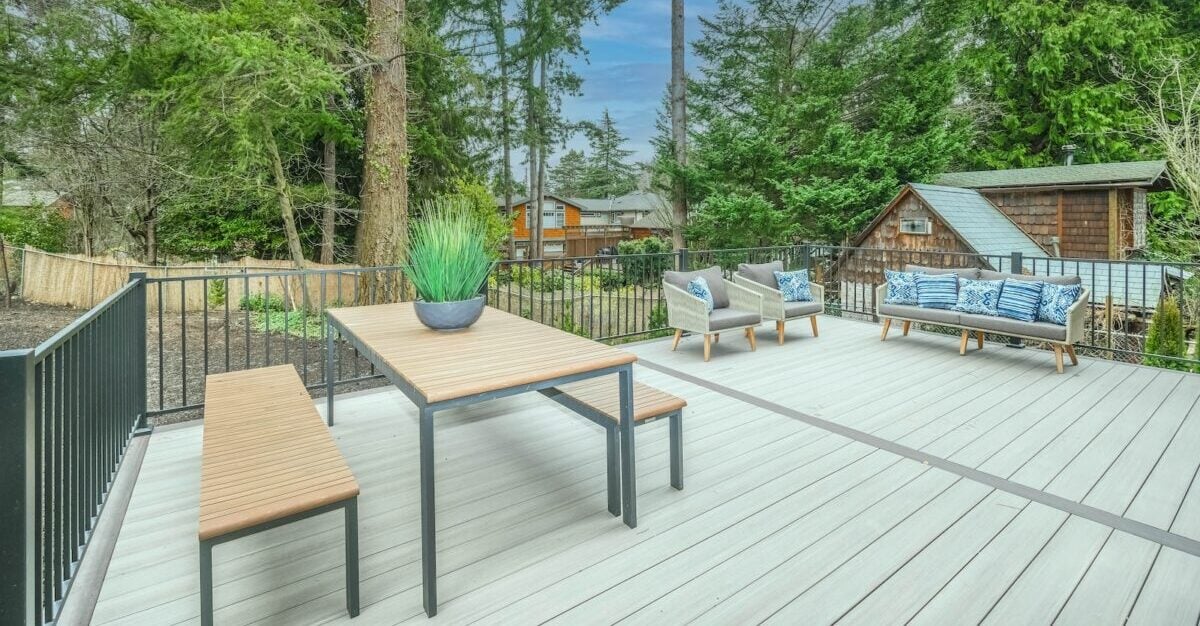
The reason that pressure treated wood is so popular is the price and accessibility. It doesn't look as nice as other options, but it's cheaper and will last for decades. This is a great budget option if you have your heart set on a wood deck. As you would expect, some maintenance is still required. Yearly pressure washing and a coat of stain every couple years is the norm.
Tropical Hardwoods
The most common tropical hardwoods that you'll find are mahogany and ipe. These woods for outdoor decks are going to be the most expensive options by far. Mahogany and ipe are great for decks because they're extremely resistant to moisture, insects, and warping. There are a few downsides to tropical hardwoods that make them a far more expensive choice. These woods can't be nailed in or screwed in without making an initial pilot. This will increase the cost of the deck through labor alone.

An additional factor to consider is the accessibility of these woods. You'll have a harder time finding them at your local lumber yard, and the cost of shipping them is going to further increase the price of your deck. If you're not on a budget and have the resources to afford a tropical hardwood deck, you'll be rewarded with a beautiful finished product that will last decades.
Composite Wood
Composite wood decking is a quickly growing trend when it comes to outdoor decks. There are a few factors that are appealing to home owners interested in building a deck. Composite deck is usually made from polyethylene or polyvinyl chloride. This is essentially a recycled plastic with wood fibers built in. Since it is made with recycled plastic, there is a wide range of color and finish options. Another bonus of composite wood, it needs little to no maintenance. This is the one material that won't require staining and cleaning regularly.

A few of the downsides to composite wood, obviously it doesn't have the look, feel, or charm of real wood. It can also be slippery in the rain and get extremely hot in the sun. If you ignore the downsides, it's an easy to maintain and cheaper option than most other outdoor deck materials you'll find. One of the more popular brands for composite wood decking material is Trex. Another wonderful resin wood brand that makes their composite planks from a combination of recycled plastic and wood fibers is Polywood, though they mostly manufacture furniture. You can browse our selection of genuine Polywood patio furniture in our catalog!
Overall, our experts at Patio Productions recommend Cedar or Redwood as the best wood choice for outdoor decks. If you're looking for a cheaper option, pressure treated wood is your next best option.